
Have you missed your period this month?
Sometimes it’s normal. But if you’re trying to conceive, naturally or through IVF, a missed period could be an early sign of pregnancy. If you’re not expecting, wait a few days, take a pregnancy test, and if it’s negative, your body may be signaling something else.
Your menstrual cycle is one of the most important rhythms of your body. When it’s irregular, there can be many causes, and one of the most common is PCOS.
I’m Ruchi Chopra, a holistic nutritionist and fitness coach who works with women facing challenges like PCOS, hormonal imbalances, and stubborn weight gain. As a working mom of two, I understand how overwhelming it can be to juggle health with everyday life. That’s why my focus is on creating sustainable changes, no crash diets, no punishing workouts, just realistic tools that fit into your routine.
Many women feel they can’t stop gaining weight with PCOS, even when they eat healthily. Some notice they are gaining weight with PCOS despite following a good diet. Others say, “I have PCOS, and with strength training, I started gaining weight”.
For some, it even feels like PCOS makes them gain weight like crazy. The reality is that PCOS weight gain with exercise or even PCOS weight gain despite exercise is real. Hormonal imbalance and insulin resistance make it harder for your body to lose weight.
The good news? With the right food choices, smart exercise, and a clear plan, you can manage weight and feel more in control of your PCOS.
In this blog, I’ll explain what PCOS is, why it leads to weight gain, and how you can manage it in a healthy, sustainable way.
Gaining weight with PCOS explained: Causes, diet, and practical ways to deal with it
Polycystic ovary syndrome (PCOS) often leads to stubborn weight gain due to hormonal imbalances and insulin resistance. Understanding the causes and adopting the right diet and lifestyle strategies can make weight management more achievable.
What is polycystic ovarian syndrome (PCOS)
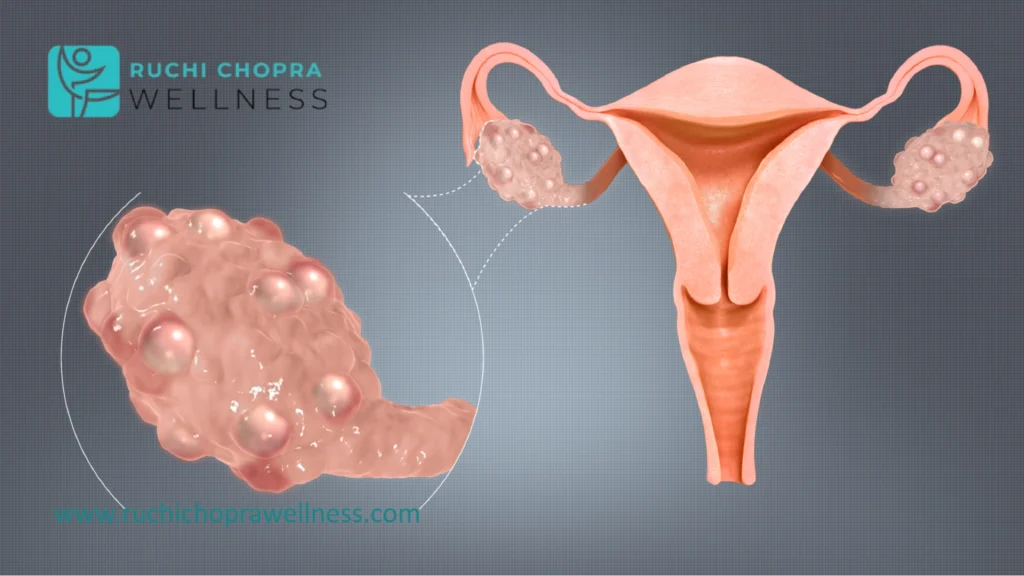
Polycystic ovary syndrome (PCOS) is a hormonal imbalance that happens when the ovaries produce unusually high levels of androgens (male hormones that are also present in women). This hormone imbalance disrupts reproductive function, often leading to irregular menstrual cycles, missed periods, and unpredictable ovulation.
Many women ask, “Why do I keep gaining weight with PCOS?” or even say, “I have PCOS with strength training, I started gaining weight instead of losing.” This happens because PCOS affects the way the body processes insulin and stores fat, making weight management more difficult. Even with exercise, some experience PCOS weight gain with exercise or PCOS running weight gain, which can feel frustrating.
Despite the name “polycystic,” you don’t need to have cysts on your ovaries to be diagnosed with PCOS, and the ovarian cysts aren’t dangerous or painful.3
The age PCOS usually begins

PCOS can begin any time after puberty. Most women are diagnosed in their 20s or 30s, often when trying to conceive. Your chances of developing PCOS are higher if you have obesity or if PCOS runs in your family.
Prevalence of PCOS
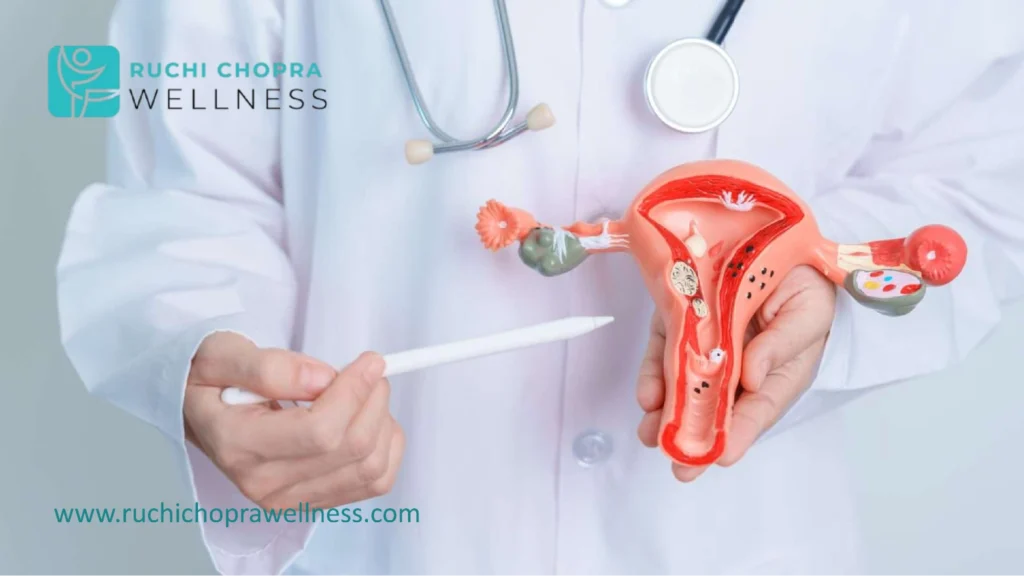
PCOS is very common, according to world health organnization, it affects an estimated 6–13% of reproductive-aged women and up to 70% of affected women remain undiagnosed worldwide. At the same time, many report feeling like they keep gaining weight with PCOS or experience PCOS weight gain even with exercise. Understanding these struggles and addressing them with the right lifestyle plan and medical care can make a big difference.
Learn more about fertility, hormones, and why women with PCOS keep gaining weight

For many women, PCOS keeps gaining weight and feels impossible to control, and hormones play a big role. One of the most common symptoms of PCOS is excess body weight or difficulty losing it. Abnormal hormone levels affect appetite, fat storage, and metabolism, which is why some benefit from hormone therapy to manage these factors.
Insulin resistance is another key reason women feel like they are PCOS gaining weight like crazy. When the body becomes less responsive to insulin, the pancreas produces more of it, which triggers hunger, fat storage, and reduced fat burning.
High androgen (male hormone) levels also make it harder to manage weight by promoting abdominal fat and increasing cravings for high-calorie foods. This is why many women notice PCOS weight gain with exercise or even PCOS running weight gain despite their efforts.
Other hormone changes, like disrupted ovulation, high estrogen, or low thyroid function, also slow metabolism and encourage fat storage. Plus, chronic low-grade inflammation linked with PCOS further interferes with insulin sensitivity and hormone balance, leading to more weight challenges.
Risks of PCOS include gaining weight
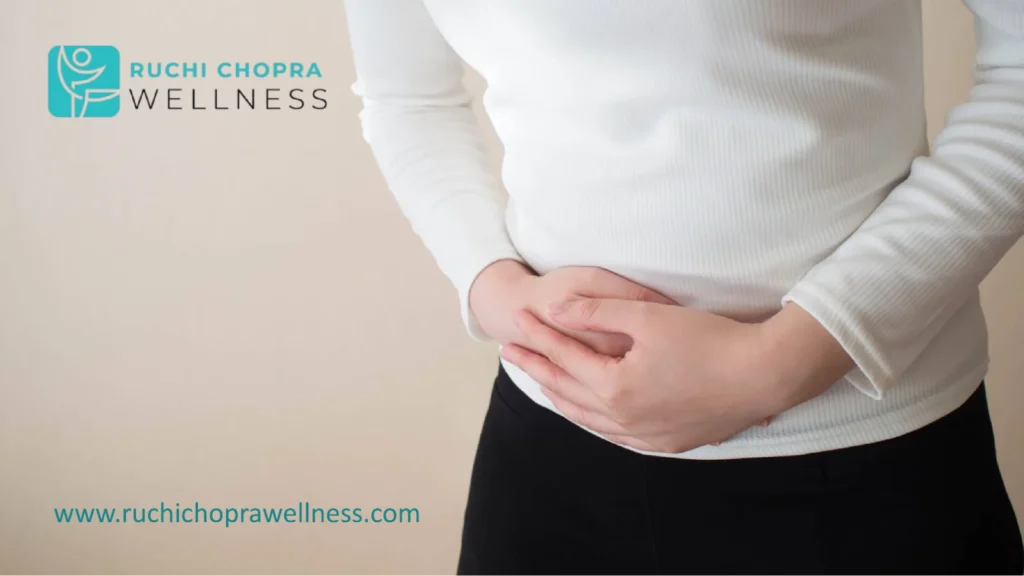
When you can’t stop gaining weight PCOS, the health risks go far beyond appearance. Women struggling with PCOS gaining weight like crazy are more likely to develop serious problems linked to insulin resistance and belly fat.
Some common risks include:
- Type 2 diabetes
- High cholesterol
- High blood pressure
- Sleep apnea
- Infertility
- Endometrial cancer
Over time, these conditions can increase the risk of heart disease. Experts also believe that PCOS keep gaining weight, making symptoms worse, leading to irregular periods, acne, and other hormonal imbalances.
How to manage PCOS keep gaining weight and lose it safely
If you feel like you can’t stop gaining weight PCOS, the good news is that even losing just 10% of your body weight can make a big difference. It may bring your periods back on track, improve symptoms, and lower risks of diabetes, heart disease, and other PCOS complications.
Start by visiting your doctor. They can check your BMI, waist size, and may suggest medications like birth control pills, anti-androgens, or Metformin. These treatments can help reduce insulin resistance, balance hormones, and even support weight loss.
Along with medication, healthy lifestyle habits are key. Choose a high-fiber, low-sugar diet filled with fruits, veggies, and whole grains while avoiding processed foods. Eating 4–6 small meals instead of three big ones helps stabilize blood sugar. Daily exercise for at least 30 minutes, quitting smoking, and regular health check-ups also make a big impact.
Remember, with the right support, you can stop the cycle of PCOS, keep gaining weight and start feeling better inside and out.
Common symptoms of PCOS keep gaining weight
When women feel like they can’t stop gaining weight PCOS, certain symptoms often appear alongside the weight changes. These may vary for each individual, but they are commonly linked to hormonal imbalance in PCOS.
Irregular periods
Many women experience abnormal or irregular bleeding patterns due to disrupted hormone levels. It’s not unusual for PCOS gaining weight like crazy to occur along with missed or unpredictable cycles.
Skin and hair changes
High androgen levels can trigger acne breakouts, excess facial or body hair, and even hair loss. If you notice these changes while also struggling with PCOS weight gain with exercise, it may be connected to hormonal shifts.
Abdominal bloating or fat storage
With PCOS keep gaining weight, fat tends to accumulate around the belly area. This apple-shaped weight gain is not only frustrating but also linked to higher risks of diabetes and heart disease compared to fat stored elsewhere.
Additional symptoms of PCOS keep gaining weight
Along with irregular periods and hormonal changes, many women who can’t stop gaining weight PCOS also notice other symptoms that make weight management even harder.
Difficulty losing weight
Hormonal imbalances, insulin resistance, and metabolic changes make it tough for women to shed pounds, even when they try, leading to PCOS weight gain with exercise struggles.
Rapid or sudden weight gain
Some women feel like they are PCOS gaining weight like crazy, experiencing sudden belly fat or overall weight increase due to hormonal fluctuations.
Food cravings and hunger spikes
Insulin resistance and hormone imbalances can trigger strong sugar cravings, emotional eating, and constant hunger, making it harder to stop PCOS keep gaining weight.
Loss of muscle mass
Instead of building muscle, PCOS often leads to more fat storage, lowering metabolism, and making it harder to maintain a healthy body composition.
Weight fluctuations
Some experience swings in weight gaining, then losing, then regaining, because of shifts in hormone levels and insulin sensitivity.
Not every woman with PCOS will face all these symptoms, but for those who do, weight struggles can be stressful. If you feel stuck with PCOS-related weight gain or ongoing fluctuations, work closely with your healthcare provider to find a treatment plan that fits your body and goals.
Tips to manage PCOS keep gaining weight with high BMI
There may not be a cure for PCOS, but lifestyle changes can make a big difference. For women who keep gaining weight PCOS or feel like they are PCOS gaining weight like crazy, a healthy diet and active routine can help lower blood sugar, improve cholesterol, and reduce blood pressure.
Here are six simple tips to get started:
- Choose a high-fiber, low-sugar diet.
- Add more fruits, vegetables, and whole grains.
- Avoid processed and fatty foods.
- Eat smaller, more frequent meals to balance blood sugar.
- Stay active with at least 30 minutes of exercise most days.
- Work with your doctor to monitor weight, cholesterol, and blood pressure.
Even small changes can help break the cycle of PCOS weight gain with exercise struggles and improve overall health.
Smart eating tips to manage PCOS keep gaining weight
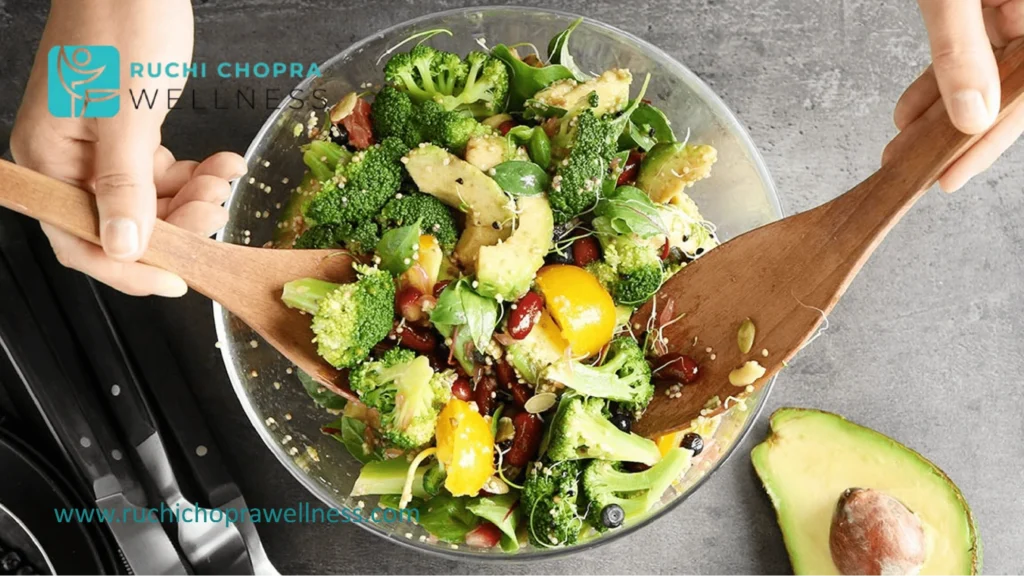
If you feel like you can’t stop gaining weight PCOS, healthy eating habits can make a real difference. Try these simple nutrition strategies to help control weight, balance hormones, and lower health risks.
Monitor your portion sizes
Check nutrition labels carefully, what’s listed as a serving is often smaller than you think. Portion control prevents overeating and helps track daily calories, which is key when battling PCOS.
Eat whole grain and high-fiber foods
Fiber keeps blood sugar stable, lowers cholesterol, and helps you feel full. Choose complex carbs like vegetables, beans, fruits, and whole grains to fight PCOS weight gain with exercise struggles.
Limit added sugars
Extra sugar fuels obesity and insulin resistance. Swap cakes, cookies, and sodas for fruit, dark chocolate, or sparkling water. This helps cut cravings and supports women PCOS.
Balance your plate
Follow a simple rule: half non-starchy vegetables, one-quarter lean protein, and one-quarter healthy carbs like brown rice or sweet potatoes. This keeps meals filling and reduces risks linked to PCOS running weight gain.
Limit added salt
Too much sodium raises blood pressure. Choose home-cooked meals or low-sodium packaged options, and add flavor with herbs and spices instead of salt.
Choose heart-healthy fats
Skip trans fats and processed oils. Use olive, avocado, or nut-based oils in moderation. Healthy fats protect your heart while keeping PCOS from gaining weight.
Complications of PCOS keep gaining weight
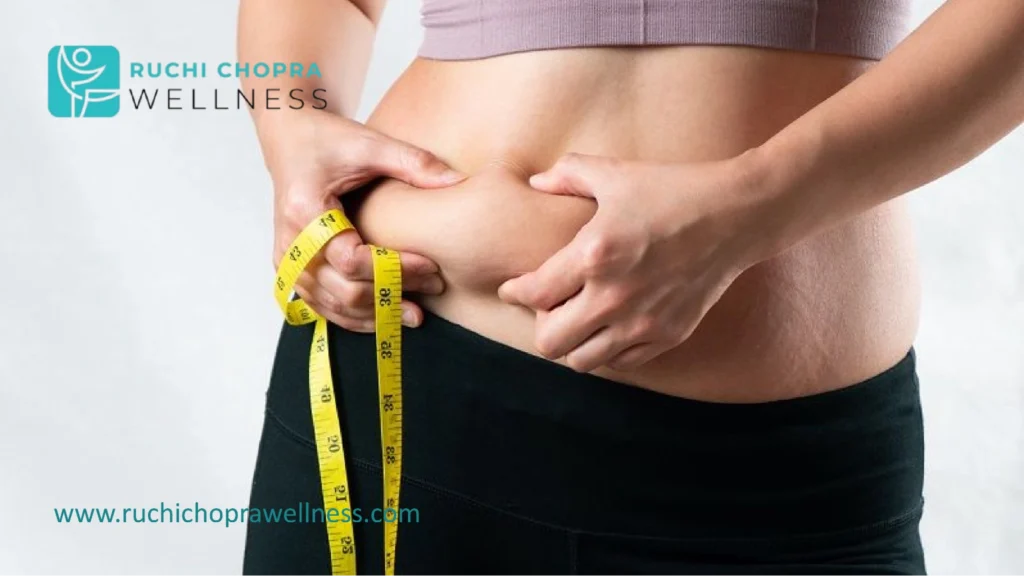
When women feel like they can’t stop gaining weight PCOS, the risks go far beyond appearance. Excess weight with PCOS can lead to several serious health complications.
Diabetes and heart disease
Insulin resistance in PCOS often progresses to type 2 diabetes, especially when combined with weight gain. Women with PCOS keep gaining weight also face higher risks of high blood pressure, high cholesterol, and cardiovascular disease due to inflammation and hormonal imbalances.
Fertility problems
PCOS is one of the leading causes of infertility. Extra weight can disrupt hormone levels and menstrual cycles, making conception harder. Obesity also increases pregnancy risks such as gestational diabetes, preeclampsia, and premature birth.
Sleep apnea
Many women who are PCOS gaining weight like crazy develop sleep apnea, a condition where breathing stops during sleep. Poor sleep then leads to fatigue, mood changes, and worsened weight issues. Prioritizing at least 7 hours of sleep is crucial.
Higher cancer risk
Prolonged estrogen exposure in PCOS increases the risk of endometrial (uterine) cancer, and excess weight further adds to this risk.
Other impacts
Beyond physical health, PCOS weight gain with exercise struggles can affect emotional well-being, causing low self-esteem, anxiety, or depression. Extra weight also strains the joints, leading to pain, reduced mobility, and higher chances of arthritis.
PCOS exercise: Can too much exercise make it worse
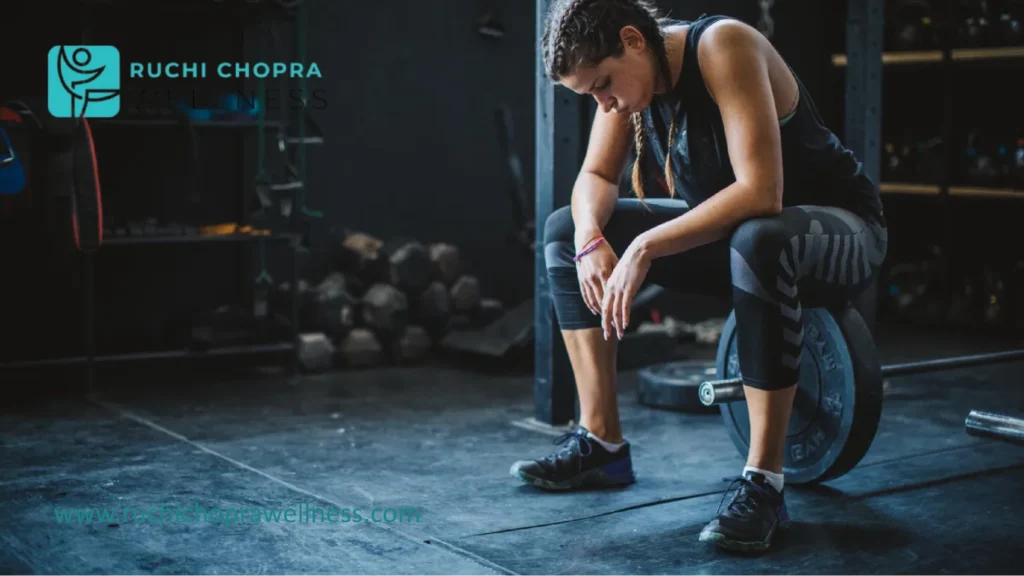
While exercise is essential for managing PCOS, overdoing it may actually worsen PCOS symptoms. Intense daily workouts like long runs, spin classes, or heavy gym sessions can put stress on the body.
Why this happens
- PCOS involves excess androgenic hormones such as testosterone, DHT, DHEA, and androstenedione.
- These hormones are produced not only in the ovaries but also in the adrenal glands (20–30% of production).
- When we experience stress, the hormone ACTH stimulates the adrenal glands to release cortisol and adrenaline. At the same time, it also increases androgen production.
The problem with androgens
- Cortisol has a feedback loop that prevents overproduction, but androgens do not.
- This means prolonged stress, including too much high-intensity exercise can keep increasing androgen levels.
- High androgens worsen symptoms like acne, hair loss, unwanted hair growth, and ovarian cysts.
How exercise and cortisol affect PCOS
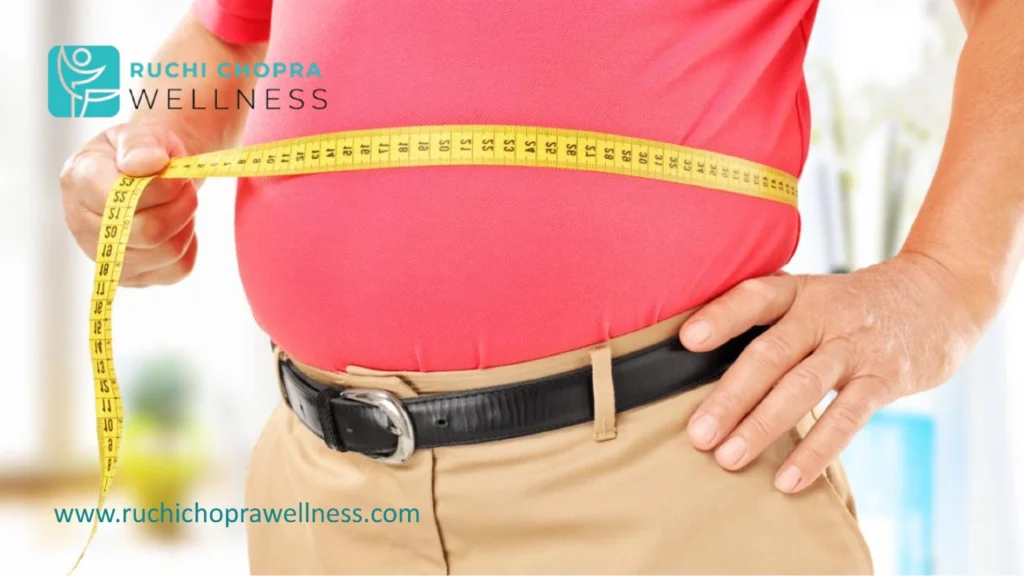
Research shows that women with PCOS naturally produce more cortisol compared to others. Excess weight can also raise cortisol levels, creating a double challenge.
Now, add in daily intense workouts, a high-stress job, little sleep, and a packed schedule, your cortisol levels can soar up to three times the normal range. That’s exactly what happened to me in 2012 when I was training an hour every day.
Why this matters
- Exercise raises cortisol and ACTH by 40–80%, depending on intensity.
- These stress hormones can stay elevated for hours post-workout.
- Chronically high cortisol fuels hormonal imbalance, worsens PCOS symptoms, and makes weight loss harder.
Understanding exercise and calories with PCOS

Elevated androgens are the main drivers of PCOS symptoms such as irregular periods, unwanted hair growth, acne, mood disorders, and weight gain. The adrenal glands are responsible for at least 20–30% of these elevated androgen levels.
When you’re under chronic stress or push your body with intense one-hour workouts, your ACTH levels rise. This hormone stimulates androgen secretion. and unlike cortisol, there’s no negative feedback loop to stop the excess. More stress and more intense workouts often mean more PCOS symptoms.
But what about all the calories you burn in those long workouts? Here’s the truth: caloric burn is not as effective as we’ve been led to believe.
We’ve all grown up with the calorie equation: eat less, move more, and burn more calories. It makes sense in theory, but research tells us it doesn’t play out the way we expect in real life.
For example, the Cochrane group reviewed 43 studies on exercise and weight loss. These studies ran for 3–12 months, with participants averaging 45-minute gym sessions, 3–5 times per week. That adds up to about 69 hours of exercise over the course of the study.
And the results? The average weight loss was just 1 kg after all that effort. Surprising, right?
PCOS exercise: What to do instead of long gym classes or runs

Exercise is still one of the most powerful tools for managing PCOS. I personally love running and crossfit, the competitiveness, the endorphin rush, and pushing my limits. But learning to stop overworking my body was one of the hardest things I’ve had to do. Even now, it’s something I still balance.
The “go hard or go home” mentality is deeply ingrained, but years of doing more exercise and eating less didn’t give me the results I wanted. What finally worked was following what science recommends:
- Focus on insulin resistance: Around 70% of women with PCOS have it. High-intensity interval training (HIIT) is especially helpful, it improves insulin sensitivity for up to 3 days after a session.
- Burn calories without spiking stress hormones: The goal is to exercise in a way that supports metabolism and hormones, not overload your adrenal glands with ACTH and cortisol.
Instead of punishing your body with endless cardio, mix short bursts of high-intensity exercise with rest days and lighter movement. This approach is far more effective for PCOS than daily long runs or spin classes.
Explain cardiovascular health
We’ve all heard that endurance exercise is the gold standard for heart health. It strengthens the heart, lungs, and blood vessels, reducing risk of heart attacks and strokes. But research shows that HIIT is just as effective and often more powerful, for cardiovascular health.
One study compared two groups:
- HIIT group: Sprinting on a bike for up to 20 minutes.
- Cardio group: Steady-state cycling for 40 minutes.
Both groups improved their cardiovascular fitness, but only the HIIT group:
- Lost significant weight and fat mass
- Reduced belly and leg fat
- Improved insulin sensitivity
- Enhanced leptin (satiety hormone) sensitivity
Even more impressive, both groups burned the same number of calories, meaning the HIIT benefits weren’t just about energy expenditure.
So, if your goal is to support your heart and balance hormones, HIIT may give you more bang for your buck than endless cardio.
How to burn calories while reducing ACTH and cortisol levels
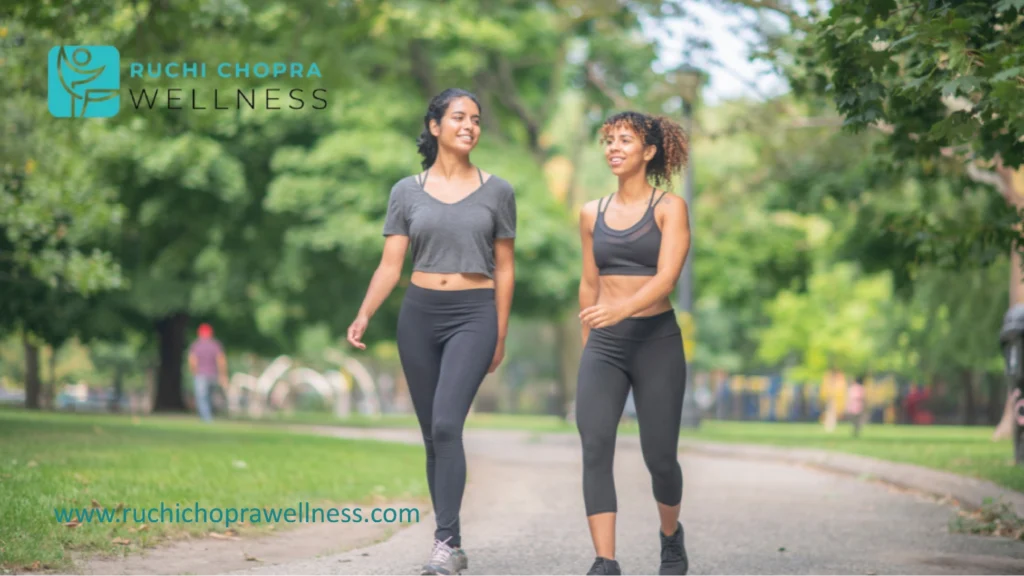
Along with HIIT, incorporating low-intensity incidental activity is key for PCOS management. This type of movement not only burns calories but also lowers cortisol and ACTH, reducing stress and inflammation.
Choose low-intensity exercise: Activities like walking, gentle cycling, or yoga have been shown to decrease cortisol levels and improve insulin resistance.
Move more throughout the day: Even small changes add up. For example, people who use a standing desk can burn up to 75% more calories daily compared to sitting.
Focus on consistency, not intensity: Regular, low-impact movement supports metabolism without overstressing your body.
Exercise for PCOS: what really works

Exercise is essential for PCOS, especially when it comes to improving insulin resistance. But doing medium to high intensity cardio for more than 30 minutes may actually cause more harm than good by increasing stress hormones.
A better approach is to focus on short, effective workouts:
- Try short bursts of high-intensity sprinting.
- Do about 20 minutes of heavy resistance or weight training.
Alongside this, make sure you’re also adding low-intensity movement into your day. Simple habits like walking, stretching, or standing more often can help burn calories, reduce cortisol, and support overall health.
Why PCOS makes weight loss difficult
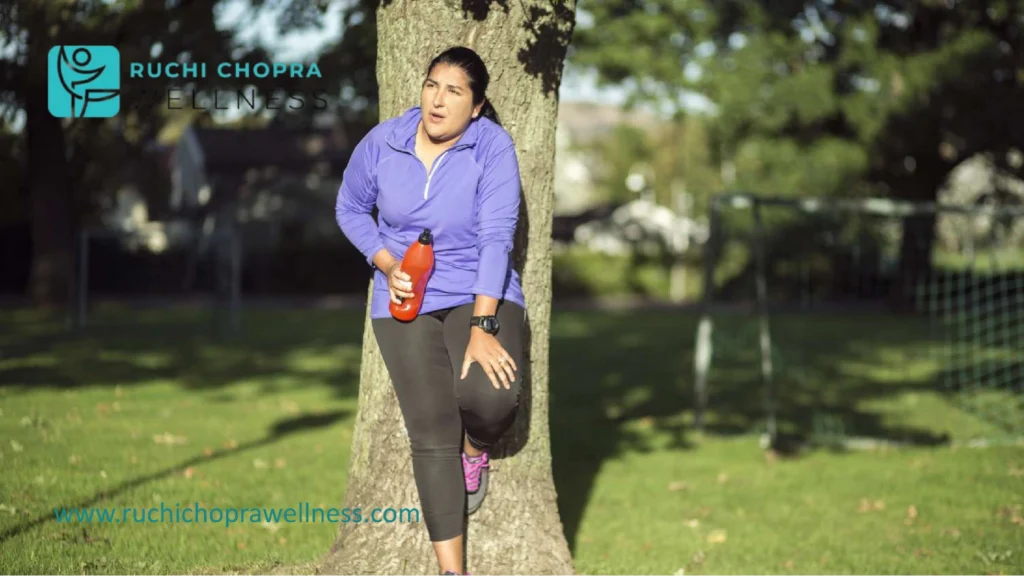
PCOS changes the way your body processes insulin, the hormone responsible for regulating blood sugar. In many women with PCOS, the body becomes insulin-resistant, meaning it doesn’t respond to insulin as effectively as it should.
To compensate, the body produces extra insulin. High insulin levels can trigger the body to store more fat, especially around the belly area. This makes weight gain easier and weight loss harder.
It’s almost like your body believes there’s a fuel shortage, so it holds on to every bit of energy it can. This is why many women with PCOS feel like they gain weight quickly but lose it very slowly, even when following a healthy diet and exercising regularly.
Hormonal imbalance adds to the problem
PCOS often causes higher levels of androgens (male hormones that are normally present in small amounts in women). Elevated androgens can increase fat storage and reduce muscle mass. This slows down your metabolism, meaning your body burns fewer calories even at rest.
At Petals Health Clinic, a women’s and children’s care clinic in Kolkata, doctors frequently meet women who feel stuck in this cycle. The good news is that with the right approach, PCOS weight management is possible.
It’s normal to feel discouraged when the scale does not move. But remember, PCOS-related weight gain is not just about willpower. The focus should be on small, steady lifestyle changes, balanced meals, regular movement, quality sleep, and proper medical support.
In some cases, medication or hormonal treatment may be needed. Everybody responds differently, so there is no one-size-fits-all solution.
When should you see a doctor for PCOS-related weight gain?

If your weight gain is sudden or you start noticing symptoms like irregular periods, acne, or unusual hair growth, it’s time to consult a specialist. Getting a proper diagnosis early can make a big difference, not just for your weight, but for your overall health and well-being.
At Petals Health Clinic, a gynecology treatment clinic in Kolkata, doctors provide comprehensive care for PCOS. Scheduling a consultation can help you find the right treatment plan tailored to your needs.
Lean PCOS vs PCOS: What’s the difference
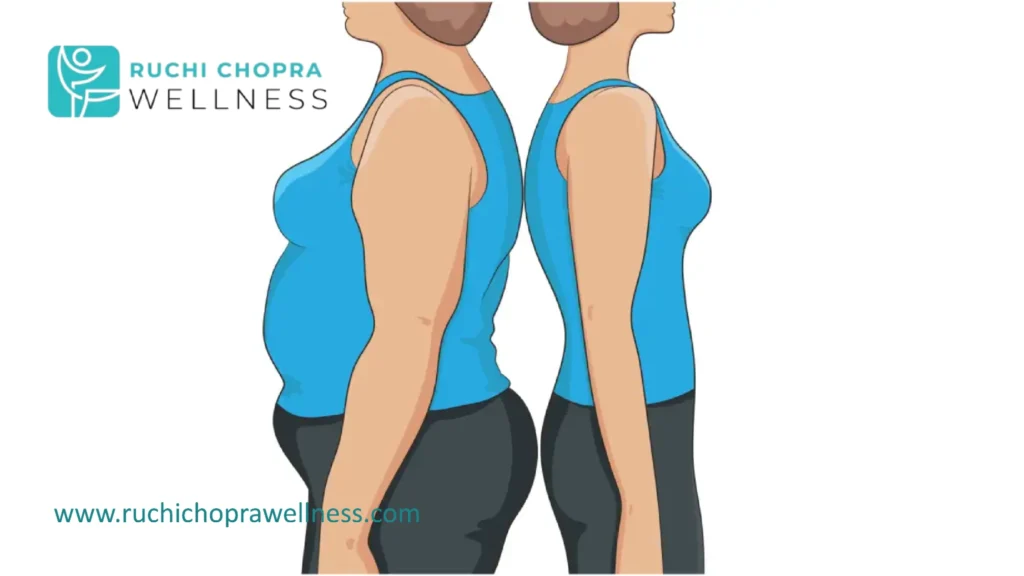
About 1 in 3 women with PCOS have “lean PCOS”, meaning they are not overweight. But being lean does not mean being free from challenges. Women with lean PCOS still need to maintain a healthy diet and active lifestyle, as the condition affects the body in ways beyond weight.
For many, genetics plays a role in whether PCOS leads to excess weight gain. While weight gain with PCOS is common, it is not universal. Some women may not fit the “typical” picture of PCOS, being overweight, struggling with acne, or dealing with excess hair growth. Instead, they may have subtle or internal symptoms that are just as important to manage.
Even for those with lean PCOS, aiming for a healthy BMI is valuable. Weight has a dose-dependent effect on metabolism: the more weight gained, the higher the risk of metabolic disturbances like insulin resistance, diabetes, and cardiovascular issues.
What is the best lean PCOS diet?
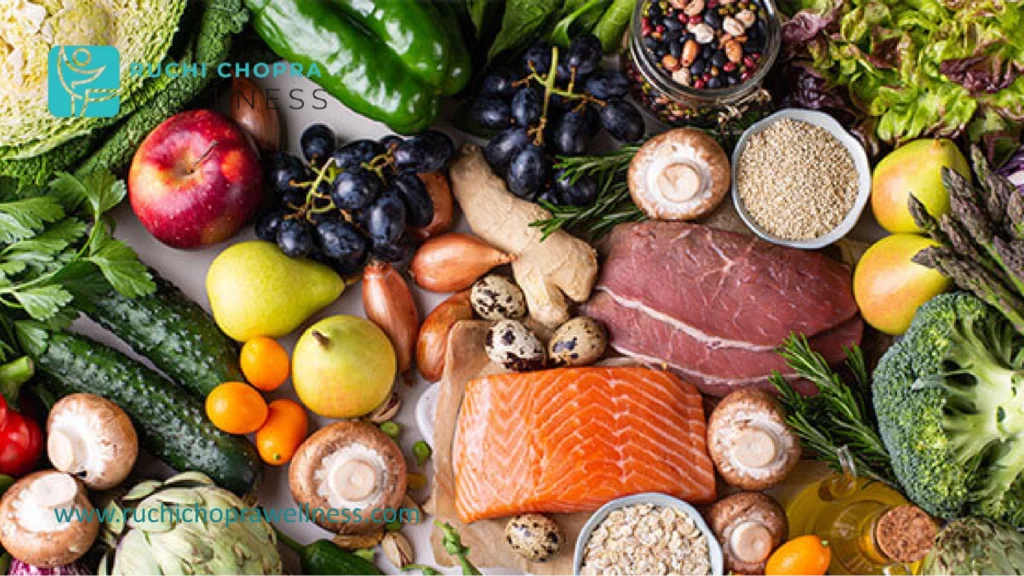
After much experimentation, I learned which foods make my body feel good and which ones don’t. This kind of awareness is a big (but necessary) shift when managing PCOS.
I noticed that the foods I eat directly affect how I feel, not just that day, but sometimes the next. That’s why I focus on:
- Slow carbs such as brown rice, quinoa, oats, and sweet potatoes
- Healthy proteins like eggs, chicken, lentils, Greek yogurt, and fish
- Good fats including avocado, nuts, seeds, olive oil, and ghee
The key is to experiment with which foods in each category work best for your body. No two women with PCOS are exactly the same.
What exercise is best for lean PCOS?

The most important thing to understand is that any kind of physical activity helps make your body more sensitive to insulin, and that’s one of the most powerful ways to manage PCOS. This benefit happens even if exercise doesn’t lead to weight loss.
Personally, I love running because it makes me feel strong, confident, and in control of my body. But running isn’t the only option. If it’s not your thing, try swimming, dancing, joining a group fitness class, or simply going for a brisk walk.
What matters most isn’t the type of exercise, but the consistency of movement. Finding something you genuinely enjoy will help you stick with it long term, and that’s what really makes the difference with PCOS.
Weight management and PCOS
One of the most significant challenges in PCOS weight management is insulin resistance. This happens when your body’s cells become less responsive to insulin, causing the pancreas to produce even more to keep blood sugar in check.
According to the National Library of Medicine, while insulin resistance is often tied to obesity, it can also affect women with lean PCOS, that is, those with a normal BMI.
Here’s a quick breakdown of the numbers reported in clinical research:
| PCOS Group | Prevalence of Insulin Resistance |
| Overall, women with PCOS | 65–70% |
| Obese PCOS (BMI >30) | 70–80% |
| Lean PCOS (BMI <25) | 20–25% |
These findings show that insulin resistance in PCOS isn’t just about weight. Even lean women with PCOS can struggle with it, suggesting that PCOS itself independent of obesity plays a key role in metabolic dysfunction.
Why is stress reduction essential with PCOS?
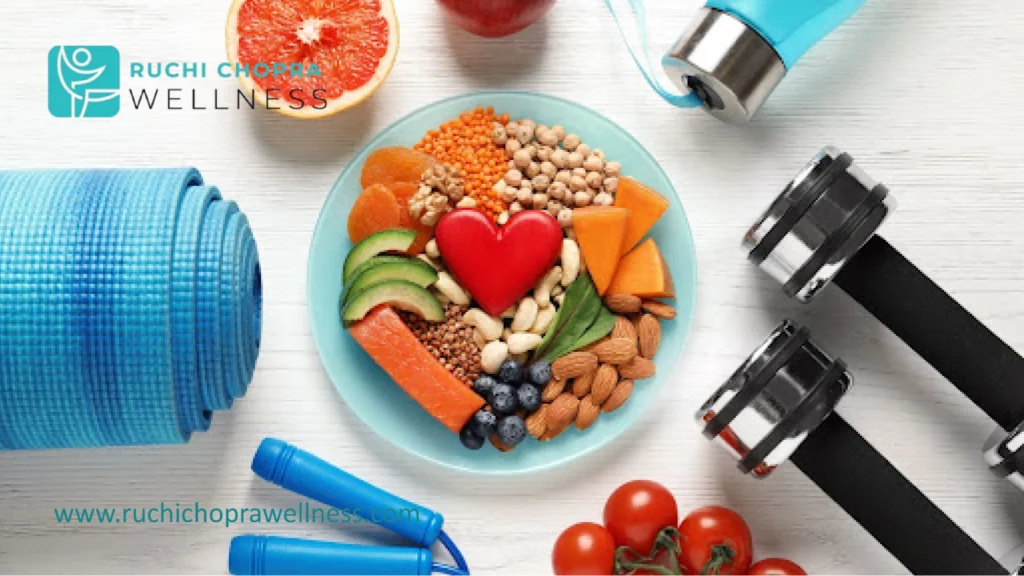
Managing stress is just as important as diet and exercise when it comes to PCOS. Stress can trigger higher cortisol and androgen levels, which may worsen symptoms like irregular periods, weight gain, and mood swings. That’s why finding ways to relax and recharge is essential.
For me, exercise is one of my best stress relievers, but I also use a little mental trick. Whenever I have a really joyful or peaceful moment, I “bottle it up” in my mind so I can come back to it later. It could be snuggling with my cats, laughing with a friend, finishing a big project, or that refreshing feeling of diving into a cool pool. When stress hits, I close my eyes, breathe deeply, and replay that memory.
This technique, along with regular breathing and visualization, helps me return to calm. Of course, everyone has their own way of reducing stress. You might enjoy journaling, spending time in nature, gardening, reading, or simply listening to music.
The key is to find what genuinely works for you and make it part of your daily routine. Your body, and your PCOS, will thank you for it.
Learning to live with PCOS

Some days, you might choose to eat mindfully, move your body, and do everything in your power to fight insulin resistance. Other days, you might eat the fries, binge on Netflix, and give yourself permission to rest. Both are okay.
What matters most is balance and perspective. If you’re feeling discouraged, remind yourself that tomorrow is always a fresh start, another chance to care for your body in the way it needs.
Take Control of Your PCOS Journey
PCOS can feel overwhelming, especially when you can’t stop gaining weight PCOS or notice you’re gaining weight with PCOS despite eating right and exercising. Many women say, “I have PCOS and with strength training I started gaining weight,” or feel like they keep gaining weight PCOS. For some, it even feels like PCOS gaining weight like crazy or PCOS running weight gain makes progress impossible.
But here’s the truth: PCOS weight gain with exercise or PCOS weight gain even with exercise isn’t the end of the story. With the right strategy, you can stop the cycle, balance your hormones, and finally feel in control of your body.That’s where I come in, a holistic health and wellness coach, and I help women create simple, sustainable plans that actually work. Just realistic tools to manage PCOS, lose weight, and feel strong and confident again.

Ready to stop feeling stuck and start feeling empowered?
Book your free consultation with me today and let’s take the first step toward your healthier, stronger future, together.